Best Decentralized Wallet – Exploring the Best Decentrali…
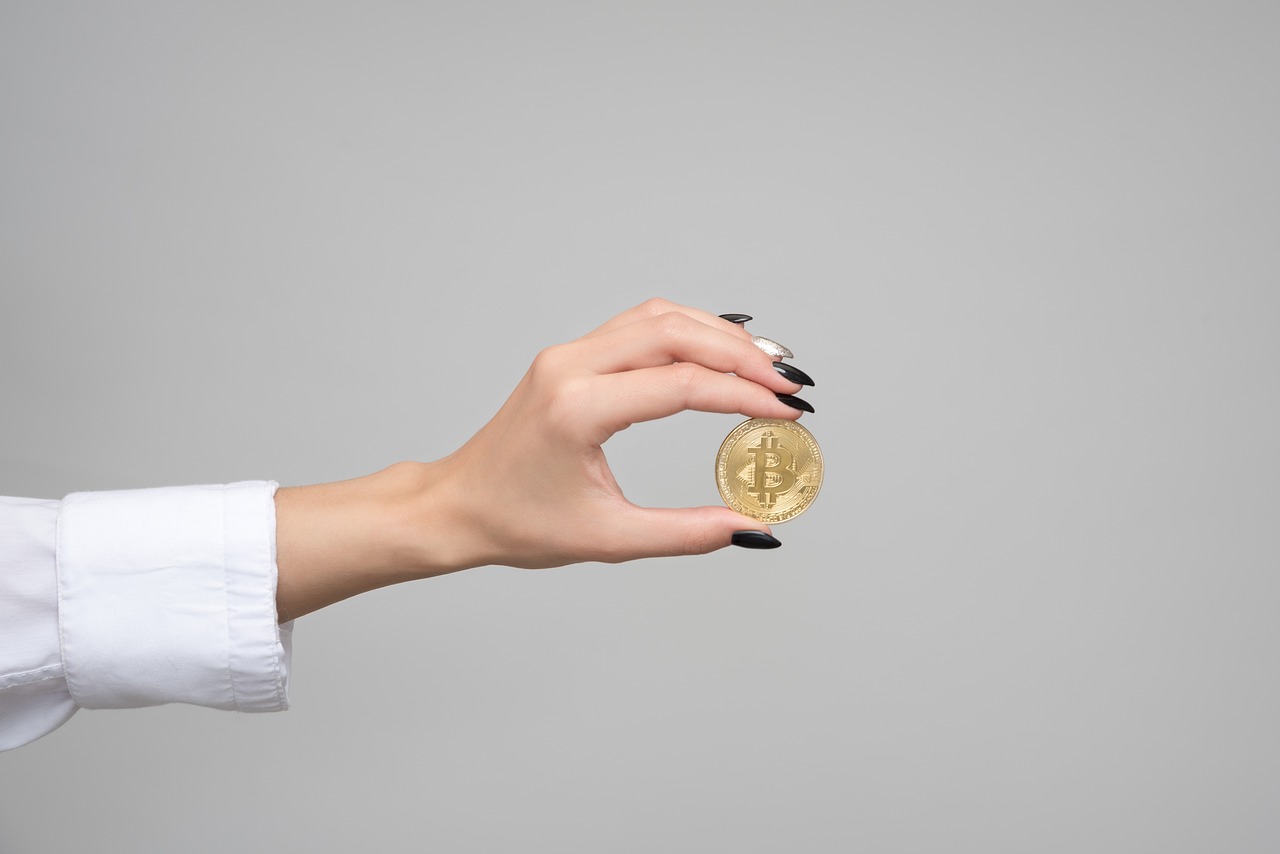
This article clarifies Best Decentralized Wallet by examining its purpose, operation, and broader industry impact.
Updated December 2025 — Best Decentralized Wallet trends reviewed by Ella Green.
Introduction to Decentralized Wallets
A decentralized wallet is a type of digital wallet used to store various cryptocurrencies securely without relying on a third-party service. This means that the user has complete control over their private keys and funds, representing a significant shift from traditional exchanges that manage these elements on behalf of the user. In a world increasingly focused on security and privacy, understanding what a decentralized wallet is becomes crucial.
What It Means to Use a Decentralized Wallet
Using a decentralized wallet means that the individual user maintains accountability for their assets. Unlike centralized wallets, where private keys are stored by the service provider, decentralized wallets allow users to generate, store, and manage their keys locally. This arrangement is designed to enhance security, as it eliminates the risk of hacks that can occur with centralized platforms. In essence, it represents a more autonomous approach to managing one’s digital wealth.
Key Features of Decentralized Wallets
A decentralized wallet is typically defined as having several essential features that contribute to its functionality and appeal. These features include:
1. Control Over Private Keys: A predominant characteristic of decentralized wallets is that they give users full control over their private keys. This means that only the owner of the wallet has the authority to access and manage their funds.
2. Enhanced Security: Decentralized wallets are generally built on blockchain technology, which is known for its robust security measures. Transactions are cryptographically secured, ensuring that assets remain protected from fraud and unauthorized access.
3. User Privacy: These wallets provide enhanced privacy since users do not have to disclose their personal information to a third party. This is particularly appealing to those concerned about data security and privacy violations.
4. Accessibility: Decentralized wallets are often accessible via multiple platforms, including desktop applications, mobile apps, and even hardware wallets. This flexibility allows users to operate their wallets from various devices, making it incredibly convenient. Learn more about Best Decentralized Wallet insights
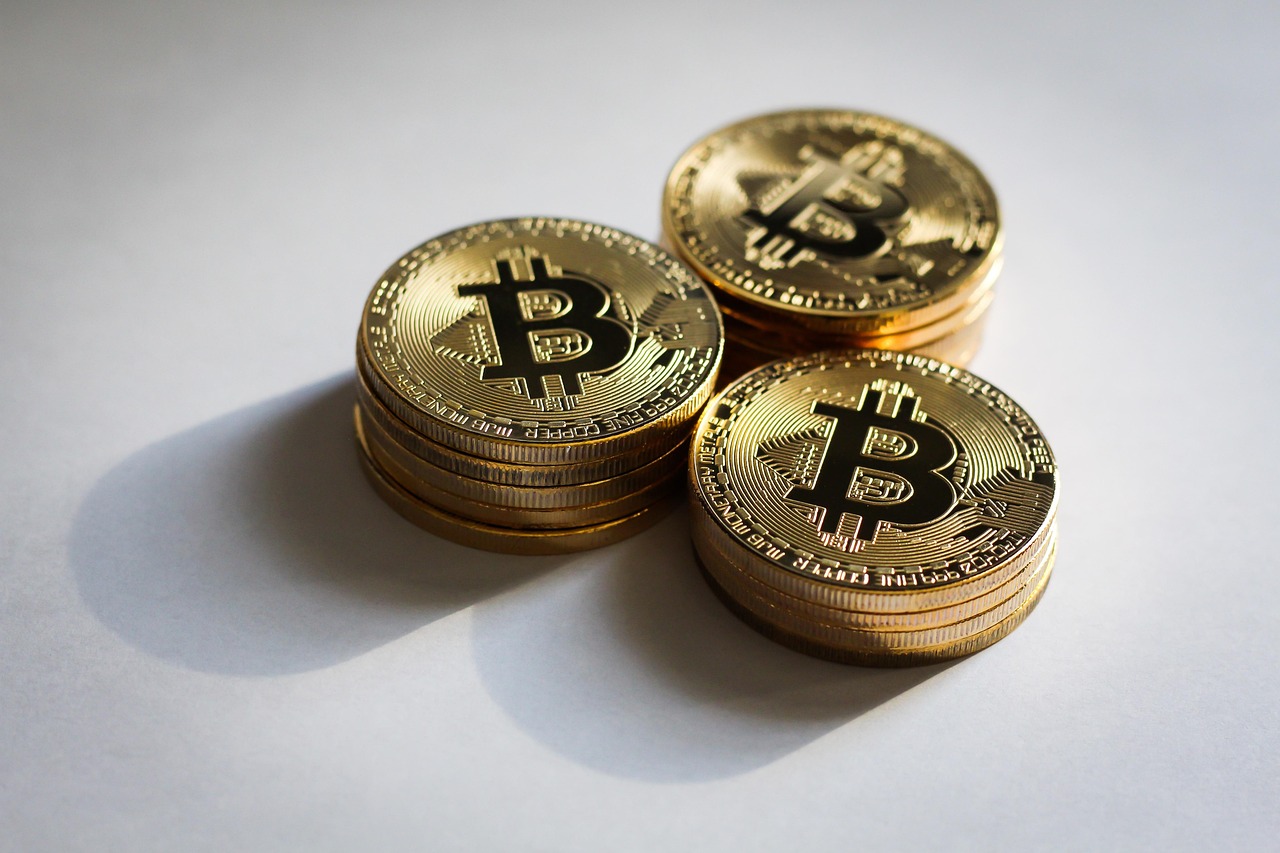
5. Interoperability: Many decentralized wallets allow users to manage multiple cryptocurrencies from a single interface. This means that users can hold and transact in various digital assets without switching between different wallets.
Types of Decentralized Wallets
Decentralized wallets can be categorized into three main types, each serving specific user needs and preferences:
1. Software Wallets
Software wallets, often referred to as “hot wallets,” are applications installed on a computer or mobile device. They enable users to send, receive, and manage their cryptocurrencies directly. Security is generally higher than that of centralized wallets, but users must be cautious about malware and phishing attacks.
2. Hardware Wallets
Hardware wallets are physical devices that store private keys offline. They are defined as one of the most secure ways to manage cryptocurrency, mainly because they are not connected to the internet. This disconnection significantly reduces the risks associated with online threats. Users interact with hardware wallets through software to facilitate transactions without exposing their private keys online.
3. Paper Wallets
A paper wallet represents a physical document printed with a user’s private and public keys. While this method entirely removes the wallet from any digital risks, it does come with its challenges, such as the potential for physical damage or loss. Proper storage and handling become crucial for maintaining security.
Choosing the Right Decentralized Wallet
Selecting the best decentralized wallet is crucial for anyone serious about managing their cryptocurrency assets. Several factors must be considered when making this decision:
– Security Features: Look for wallets that provide strong encryption methods, multi-signature support, and backup options.
– User Experience: A user-friendly interface can significantly impact how efficiently one manages their assets. Navigation and ease of access are important for both novice and experienced users. Explore the latest Best Decentralized Wallet trends
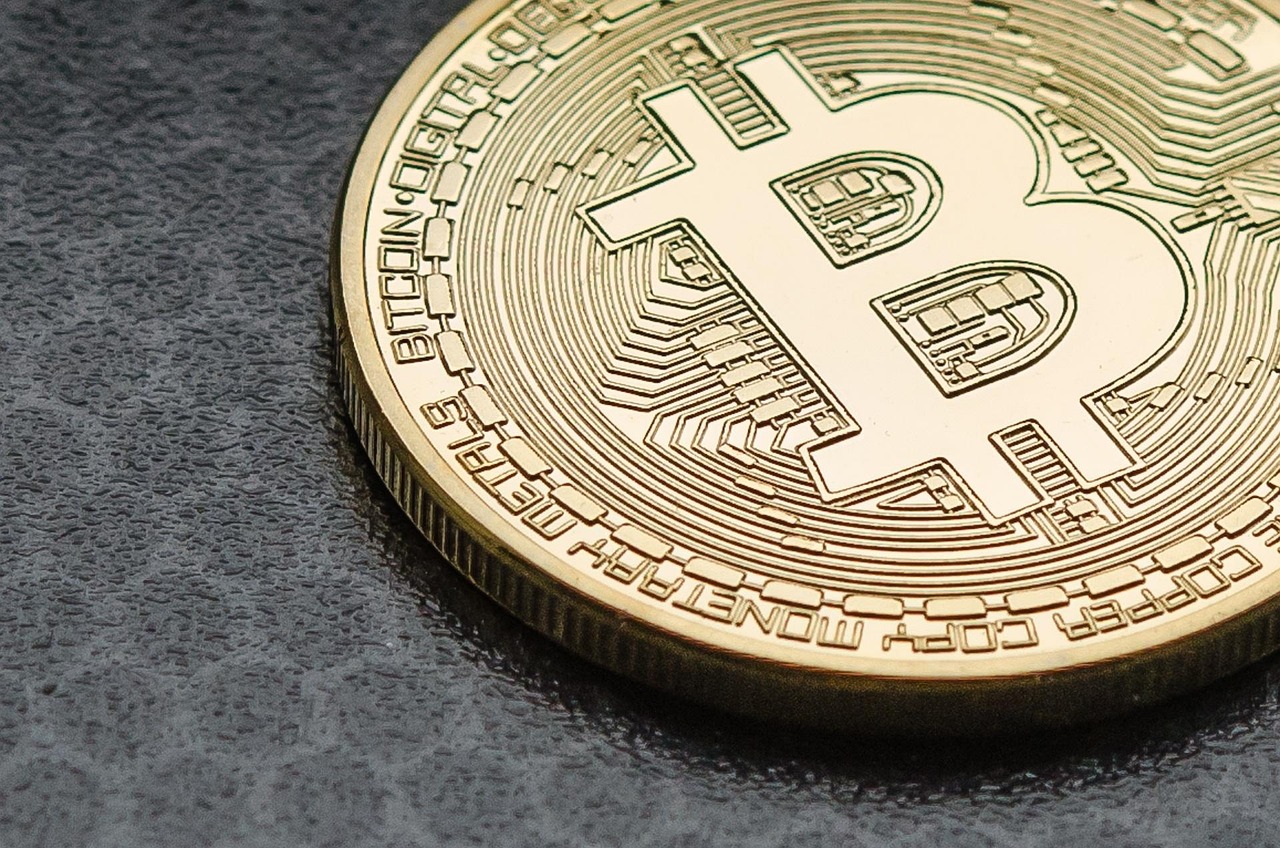
– Supported Cryptocurrencies: A wallet that supports a wide range of cryptocurrencies may better suit users who engage with multiple digital assets.
– Reputation and Reviews: Researching the community’s feedback and established reputation of the wallet can provide insight into its reliability and efficiency.
Understanding Wallet Interactions on the Blockchain
A decentralized wallet interacts with the blockchain to facilitate transactions. When a user wants to send cryptocurrency, the decentralized wallet generates a transaction that includes the recipient’s address and the amount. This transaction is then signed using the user’s private key, ensuring that only the rightful owner can initiate the transfer.
Once signed, the transaction is broadcasted to the blockchain network. Nodes within the network validate the transaction, ensuring that it adheres to the rules of the blockchain. Once confirmed, the transaction is added to the blockchain, and the funds are transferred accordingly. This process illustrates how decentralized wallets operate within the broader context of blockchain technology.
Advantages of Using a Decentralized Wallet
Decentralized wallets are associated with several advantages that enhance the user’s experience and security when managing cryptocurrencies. These advantages include:
1. Full Ownership
Owning a decentralized wallet is synonymous with full ownership of one’s assets. Users are not beholden to any organization that might restrict access to funds or impose arbitrary fees.
2. Reduced Counterparty Risk
By not relying on a centralized institution, users significantly reduce counterparty risks. The potential pitfalls associated with hacks, insolvency, or regulatory changes affecting centralized services are alleviated.
3. Greater Control over Funds
Deep dive into Best Decentralized Wallet research

A decentralized wallet means that users can manage and transact in their funds without intermediaries. This control translates into freedom and flexibility in how assets are utilized.
4. Cost-Effective Transactions
Many decentralized wallets facilitate lower transaction fees compared to centralized counterparts. As these wallets often do not require maintenance fees or other costs associated with third-party management, users may save money in the long run.
Challenges Associated with Decentralized Wallets
While decentralized wallets offer numerous benefits, they also come with their challenges. For instance, the responsibility placed on the user for securing keys can lead to significant risk. If users lose access to their private keys, their assets may become irretrievable. Additionally, the complexity involved with transactions in decentralized wallets might present hurdles for newcomers to cryptocurrency, who may find the learning curve steep.
Conclusion
In conclusion, a decentralized wallet is a robust solution for those looking to manage their cryptocurrency assets securely. Defined as a wallet that allows users to retain control and ownership of their private keys, it signifies a shift toward greater autonomy and privacy in the digital finance realm. With features that prioritize security, privacy, and user control, the choice of a decentralized wallet is indeed significant for cryptocurrency enthusiasts.
For potential users, it’s essential to assess various factors such as security features and usability when determining the best decentralized wallet. By understanding these core principles, individuals can make informed decisions that align with their cryptocurrency management practices. As the landscape of digital assets continues to evolve, decentralized wallets will likely remain a pivotal component in the effective management of blockchain-based wealth.
This exploration of decentralized wallets highlights their importance in the modern financial ecosystem, supported by ongoing research and community discussions surrounding their functionalities and advantages.
🔍 Top Takeaways
- Future developments in Best Decentralized Wallet will likely focus on scalability and trust.
- Education and tooling are reducing barriers to entry for Best Decentralized Wallet.
- Investors are using AI analytics to enhance Best Decentralized Wallet decisions.
How reliable is Best Decentralized Wallet during high market volatility?
Best Decentralized Wallet may become less reliable during extreme volatility, making confirmation from additional indicators important.
Who benefits most from using Best Decentralized Wallet?
Best Decentralized Wallet is especially beneficial for traders, analysts and investors who rely on structured market evaluation.
How does Best Decentralized Wallet fit into a broader crypto strategy?
Best Decentralized Wallet fits into broader crypto strategies by supporting analysis, timing decisions and risk awareness.
 E
E
 E
E
Understanding the Risks and Trust Considerations of a btc address tracker
 E
E
Understanding the Risks and Trust Factors of Crypto Wallets
 E
E
Understanding the Trust Wallet Logo and Its Significance in Cryptocurrency
 E
E
Best Decentralized Wallet – Exploring the Best Decentrali...
 E
E
Understanding the Risks of an Altcoin Market Crash
 E
E
Understanding the Dynamics of the Altcoin Market Crash
 E
E
Understanding the Risks of a Blockchain Market Crash
 E
E