Comprehensive Crypto Mining Update for Enthusiasts and Investors
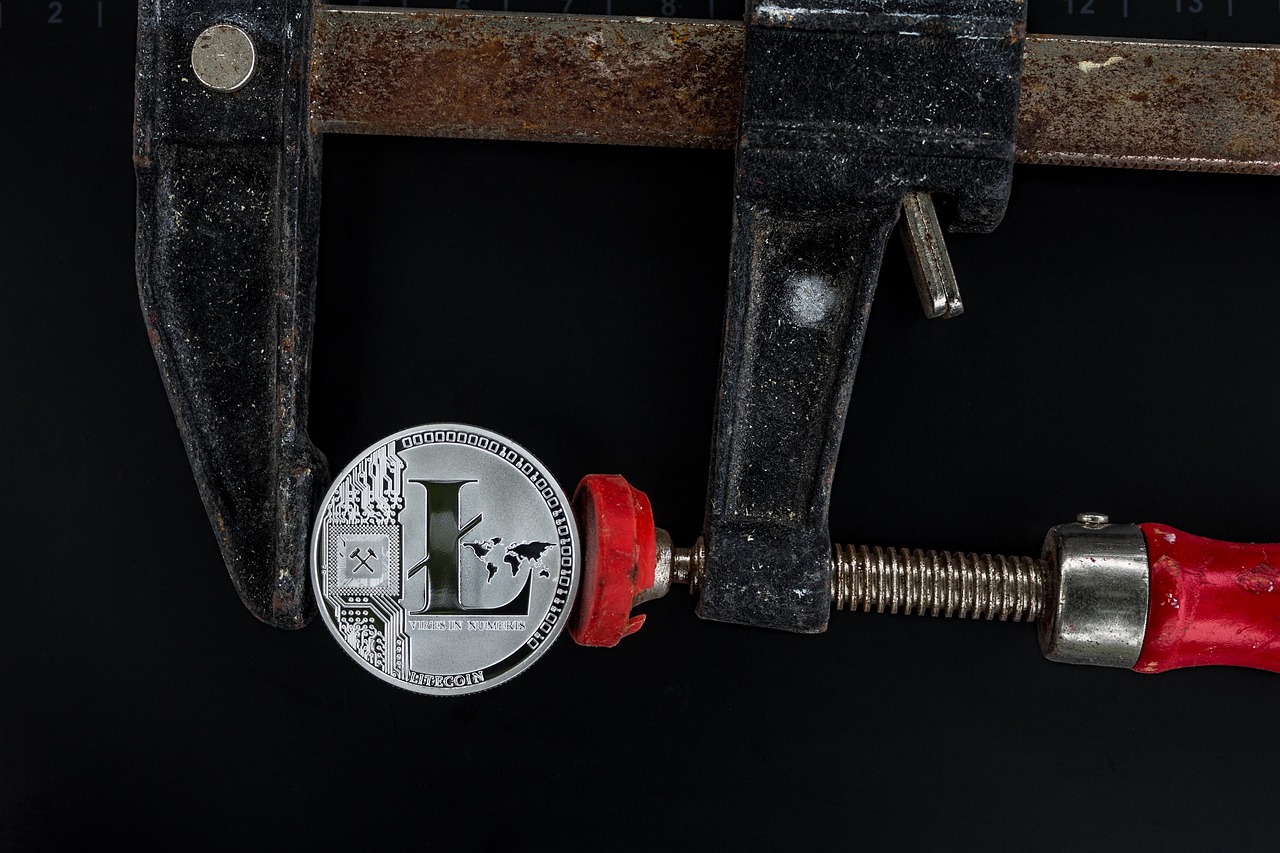
Ella Green provides an overview of the latest developments in the crypto mining landscape as of Monday, February 16, 2026 at 07:04 AM.
Recent developments in crypto mining showcase a range of options with varying efficiency and sustainability, often revealing common vulnerabilities that limit choices for miners. As regulatory pressures and energy costs rise, many are drawn to consistently successful strategies featuring advanced technologies and renewable energy sources. Users typically refine their selections based on hardware capabilities and local electricity rates, leading to distinct approaches within the mining landscape, such as those focused on Bitcoin versus alternative cryptocurrencies.
What’s Important to Know
- Recent advancements in hardware technology are significantly improving the efficiency of crypto mining, which may lead users to consider investing in upgraded mining equipment for better performance.
- The choice between various mining methods, such as solo mining or joining a mining pool, influences potential profitability based on users' individual resources and goals.
- Specific cryptocurrencies have differing mining requirements, which can narrow options for miners based on their expertise and available hardware.
- Regulatory changes and environmental concerns are common weaknesses that may deter potential miners from pursuing certain cryptocurrencies due to compliance and sustainability issues.
- A thorough understanding of energy costs and electricity availability plays a crucial role in determining the feasibility of crypto mining operations in different geographical locations.
Evaluating Hardware Choices in Cryptocurrency Mining
Recent developments in crypto mining have prompted significant discussions within the community, where understanding the various options and their implications is crucial for any participant. The decision-making landscape is shaped by several influential factors, each tailored for different user groups and objectives.
At the forefront of these decision drivers is efficiency, which has become increasingly important as mining technology evolves. The most influential decision for miners often revolves around the hardware utilized, particularly the choice between ASIC miners and GPU rigs. ASIC miners are specifically designed for optimum performance in mining cryptocurrencies like Bitcoin. The latest developments impacting participants.
On the other hand, GPU mining offers a more versatile approach, appealing to hobbyists and new entrants exploring mining across various cryptocurrencies. The flexibility of GPUs enables users to switch algorithms based on market trends, which can be advantageous but may result in lower efficiency for specific coins compared to ASICs. Each option has distinct design elements that can significantly affect mining outcomes, including power consumption and heat management.
For users focused on profitability, understanding the trade-offs between these hardware types is essential. ASIC miners, while powerful, become obsolete quickly as newer models emerge, creating a risk of underperformance over time. In contrast, GPUs may not provide the same efficiency but allow for a more extended investment strategy, as they can be repurposed for other tasks beyond mining, making them a better fit for those focused on multi-use capabilities.
Key Considerations for Mining Decisions
The nuances of hardware selection in mining.
| Volatility triggers | Exit complexity | Predictability-driven goals | Risk-adjusted alternatives |
|---|---|---|---|
| Rapid fluctuations in cryptocurrency prices | Difficult to liquidate assets in a downturn | Uncertain return on investment | Diversifying investment in multiple currencies |
| Regulatory changes affecting mining practices | Complicated tax implications upon selling | Inconsistent mining yields | Investing in stablecoins for market hedging |
| Equipment obsolescence affecting profitability | Expensive and time-consuming hardware sales | High failure rate predictions | Lease mining equipment instead of purchasing |
| Environmental regulations impacting operations | Lengthy licensing processes for compliance | Limited scalability opportunities | Engage in sustainable mining practices |
| Shifts in network difficulty affecting output | Protracted waiting periods for buyer interest | Erratic hash rates | Joining mining pools to spread risk |
In addition to hardware choices, the choice of mining pool also plays a vital role. Solo mining may appeal to those looking for maximum rewards, but its feasibility is limited to users with substantial resources. Comparatively, mining pools enable users to collaborate and share efforts, reducing variance in earnings but also allocating rewards among participants, which can sometimes diminish individual payouts.
Geographical considerations also influence options significantly. Regions with favorable electricity rates make the mining process more profitable, thus attracting those looking to set up mining operations in areas with lower energy costs. Users situated in regions with higher energy prices may need to consider innovative strategies, such as utilizing renewable energy sources, to improve their overall mining feasibility. The significant discussions among users.
Security stands as another essential consideration within the crypto mining space, shaping the decisions of both hardware and operational setups. Environments that do not adequately address security concerns expose miners to various risks, including hardware theft or network attacks. Miners are increasingly utilizing hardware wallets and other robust security measures to protect their assets, which may initially add to setup costs but provide long-term peace of mind.
As the industry advances, adopting signals indicating long-term viability is crucial for making informed decisions. For instance, fluctuations in cryptocurrency prices or regulatory changes can significantly impact mining economics. Users need to stay abreast of these trends to align their strategies with prevailing market conditions effectively.
Emerging Trends and User Preferences in Mining Choices
The various options available in the current landscape.
| Capital commitment profile | Confidence erosion risk | Ongoing management effort | Mismatch risk scenarios |
|---|---|---|---|
| High initial investment in specialized hardware | Potential losses due to market volatility | Significant time spent monitoring | Incompatible mining software with hardware |
| Ongoing electrical and cooling costs | Risk of diminishing returns as competition increases | Continuous need for technical updates | Mining for unsupported cryptocurrencies |
| Need for extensive physical space | Changing regulations affecting viability | Operational complexity in scaling | Difficulty in finding profitable mining pools |
| Potential need for insurance against theft | Exposure to cybersecurity threats | Regular upgrades required | Misalignment of mined coins with market demand |
| Energy consumption impacting profitability | Dependence on external market conditions | Possible human resource requirements | Variations in energy prices affecting profits |
A recent development in crypto mining may not be advisable for individuals or organizations seeking immediate liquidity, as the capital and operational requirements can lead to prolonged cash flow issues. Users should consider alternative paths if they prioritize low-energy consumption or rapid deployment of infrastructure, as the technological demands of recent updates can elevate both complexity and expense. Furthermore, the evolving regulatory landscape may introduce risks in compliance, prompting caution for those who need to ensure adherence to shifting legal frameworks.
Adoption trends also reveal insights into the future of mining technologies and strategies. As eco-friendliness becomes more critical, alternative mining solutions using proof-of-stake and other less energy-intensive methods are gaining traction. This shift may appeal to users increasingly conscious of the environmental impact of their operations. Key factors influencing decisionmaking processes.
Miner preferences often reveal a pattern in narrowing their choices. Mining enthusiasts tend to research extensively before settling on hardware or software, guided by performance reviews, community recommendations, and energy costs. This thorough evaluation process can lead to more personalized setups that fulfill individual objectives.
To prepare for choosing an option, users should weigh the characteristics of each choice against their goals. Regular updates on technological advancements, regulatory changes, and market trends can help align mining strategies with the current landscape. The importance of efficiency in mining operations.
In conclusion, as the crypto mining landscape continues to evolve, understanding the most significant drivers influencing decision-making is essential. From hardware choices and mining pools to geographical implications and security considerations, each factor play a pivotal role in shaping outcomes. By connecting these options to specific use cases and goals, users can navigate the complex environment of crypto mining more effectively and strategically.
Important Questions to Consider
What does an update on crypto mining typically include?
Updates regarding crypto mining usually encompass changes in mining difficulty, network hash rates, and hardware advancements. They may also inform about regulatory developments that could impact operations, such as new policies in different regions that either encourage or restrict mining activities. However, this introduces tradeoffs that must be evaluated based on cost, complexity, or network conditions.
How can recent developments in the crypto mining landscape be utilized by miners?
Miners can leverage recent updates to optimize their operations by upgrading equipment or altering mining strategies based on hash rate fluctuations and energy costs. Additionally, staying informed on regulatory changes allows miners to adapt their methodologies to remain compliant and cost-effective. However, this introduces tradeoffs that must be evaluated based on cost, complexity, or network conditions.
What are some limitations associated with relying on updates in crypto mining?
One limitation is that updates may not cover the rapid pace of technological advancements, leaving miners at a disadvantage if they do not continually research beyond official announcements. Furthermore, external market conditions, such as electricity prices or cryptocurrency market trends, can quickly negate changes reported in updates. However, this introduces tradeoffs that must be evaluated based on cost, complexity, or network conditions.
 E
E
 E
E
Comprehensive Crypto Mining Update for Enthusiasts and Investors
 E
E
Understanding the Risks and Management Strategies of a Crypto Mining Farm
 E
E
What is crypto mining and how does it impact your trust and safety
 E
E
Assessing whether it is worth mining cryptocurrency
 E
E
Understanding the Dynamics of the Altcoin Market Crash
 E
E
Understanding the Risks of a Blockchain Market Crash
 E
E
Understanding the Mew Meme Coin and Its Relevance Today
E