
Ella Green provides a comprehensive analysis of the current landscape for crypto to invest in today, highlighting emerging trends and potential opportunities as of Saturday, February 07, 2026 at 02:02 PM.
When considering which cryptocurrencies to invest in today, examining various signals such as adoption rates, transaction volumes, and community engagement can indicate long-term viability. Different options cater to specific user needs; for example, stablecoins appeal to conservative investors looking for less volatility, while emerging tokens may attract those seeking high-risk opportunities. Variants within each category reveal how design differences, such as consensus mechanisms or smart contract functionality, can significantly influence their potential success, while common weaknesses like regulatory challenges or security vulnerabilities may hinder certain choices.
What’s Important to Know
- When considering crypto to invest in today, users often narrow their choices by evaluating factors such as market capitalization, recent performance trends, and technology behind each cryptocurrency.
- Within the realm of popular cryptocurrencies, options like established coins, emerging altcoins, and stablecoins can suit different investor profiles; for instance, established coins may appeal to risk-averse investors, while altcoins may attract those with a higher risk tolerance looking for significant returns.
- Common weaknesses that can eliminate certain options include issues such as regulatory scrutiny, technological vulnerabilities, or a lack of adoption by mainstream users, which can lead to volatility or reduced trust in a cryptocurrency.
- Investors might group potential investments based on their goals, such as long-term holding versus day trading strategies, each requiring a different approach to risk assessment and market understanding.
- Emerging trends and innovations in the crypto space, such as decentralized finance and non-fungible tokens, can impact investment choices, highlighting the need for users to stay informed about evolving market themes.
Key Cryptocurrency Options for Today’s Investors
The world of cryptocurrency offers a wide array of investment options, each presenting unique strengths and characteristics that can cater to different investor preferences and strategies. As the market constantly evolves, it becomes essential to explore available options, recognize recurring strengths, and understand how design differences among cryptocurrencies impact potential outcomes. Examine the various strengths of each investment type.
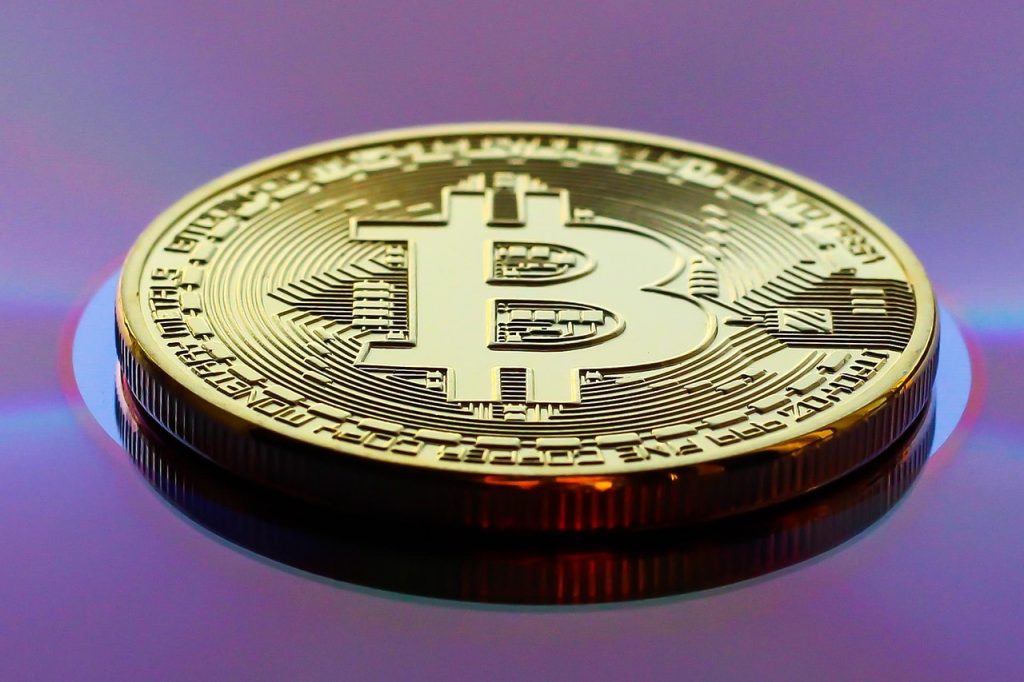
In recent times, several cryptocurrencies have emerged as noteworthy contenders, mainly Bitcoin, Ethereum, Cardano, and Solana. Bitcoin continues to be the most recognized digital asset, often praised for its first-mover advantage and solid infrastructure. Its primary strength lies in a well-established network that offers high liquidity and extensive acceptance among merchants. Understand how market trends influence your choices.
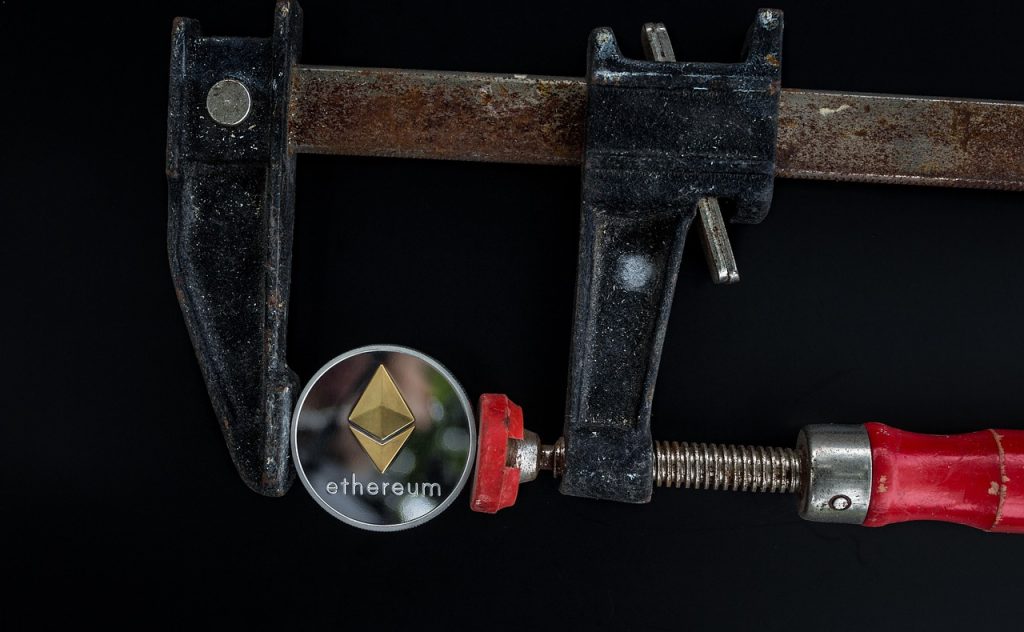
Ethereum distinguishes itself through its robust smart contract functionality, which facilitates decentralized applications and financial products. This flexibility is a significant draw for developers and investors looking for innovative technology that can reshape industries. As more projects utilize Ethereum’s platform, its value proposition may broaden, attracting users interested in long-term growth potential and technology utility. Explore characteristics that may suit different investors.
| Exploration Limitation | Consequence of Limitation | Signals Unsuitability | Alternative Solution |
|---|---|---|---|
| Limited historical data on emerging tokens | Uncertainty in future performance | Not ideal for risk-averse investors | Focus on established cryptocurrencies |
| Rapid market fluctuations | Potential for significant short-term losses | Not for users with low risk tolerance | Utilize automated trading tools |
| Regulatory uncertainty | Unexpected legal actions affecting access | Not suited for users seeking stability | Invest in projects with clear compliance |
| High transaction fees during peak times | Increased overall investment cost | Unsuitable for users with tight budgets | Look for platforms with lower fees |
| Complexity in technology | Steep learning curve and potential errors | Not for individuals averse to technology | Utilize educational resources and guides |
Cardano presents an alternative approach with a focus on sustainability and scalability. It distinguishes its design through a peer-reviewed framework, setting a precedent in the crypto sector that emphasizes scientific rigor. Investors interested in socially responsible technologies may find Cardano appealing, as it aims to create a more inclusive financial ecosystem through its unique governance model and energy-efficient transaction processes.
Evaluating Diverse Cryptocurrency Investment Opportunities
Analyze the impact of design features on potential outcomes.
In contrast, Solana’s developers focus on achieving high throughput and low transaction costs, which positions it well for decentralized finance applications and non-fungible tokens. The ability to handle a vast number of transactions per second without incurring high fees targets users who prioritize performance and scalability. As its ecosystem expands, Solana may attract those looking for cutting-edge solutions within the crypto landscape. Review common pitfalls that might limit options.
When analyzing the broader ecosystem of cryptocurrency investments today, it becomes evident that identifying the right fit for specific user segments is crucial. Bitcoin often attracts conservative investors and those new to the crypto space due to its established reputation. Ethereum’s appeal spans a wider range including tech enthusiasts and developers, while Cardano captivates those with a focus on sustainability and social impact. Discover which cryptocurrencies are gaining traction today.
| Decision Path Evaluation Factor | Risk and Failure Mode Evaluation | Learning and Complexity Evaluation | User Suitability and Boundaries |
|---|---|---|---|
| Required investment amount with minimums | Potential for loss on investment | Effort to understand underlying assets | Confidence in navigating different platforms |
| Volatility management strategies | Risk of cybersecurity breaches | Time needed to research and analyze data | Suitable for hands-on investors |
| Timeframe for expected returns | Chance of project failure or scams | Complexity of portfolio diversification | Best for long-term investors |
| Platform reliability and accessibility | Risk of transaction delays | Learning curve associated with wallets | Not ideal for infrequent traders |
| Regulatory risk profile | Risk of sudden market changes | Understanding actions to mitigate risks | Suitable for proactive investors |
Risk profiles among these options also exhibit noteworthy contrasts. Bitcoin, while still volatile, has demonstrated relative stability compared to smaller or newer tokens. In contrast, Ethereum’s value can be subject to fluctuations based on technological developments and regulatory impacts surrounding smart contracts.
In conclusion, as investors contemplate where to place their capital in the crypto market today, it is essential to meticulously evaluate the strengths and weaknesses of each asset while considering their risk profiles, design differences, and user suitability. The continuous advancements and expansion of the cryptocurrency ecosystem signal that while opportunities abound, it is imperative to remain informed and diligent in the decision-making process. By understanding these varying options and frameworks, one can navigate the complex landscape of cryptocurrency investing more confidently.
Important Questions to Consider
What factors determine a good cryptocurrency for investment?
Evaluating a cryptocurrency for investment involves analyzing its market capitalization, historical price performance, technology behind it, and the team involved in its development. A significant trade-off might be the potential for high returns against the risk of volatility, which can lead to substantial losses. However, this introduces tradeoffs that must be evaluated based on cost, complexity, or network conditions.
How can cryptocurrencies be used in everyday transactions?
Cryptocurrencies can facilitate transactions on various platforms that accept digital assets as payment. However, the limitation lies in the varying acceptance rates among merchants and the transaction fees that might apply, which can impact the practicality of using them for small or everyday purchases.
What are the major risks associated with investing in cryptocurrencies?
Investing in cryptocurrencies presents risks such as market volatility, regulatory uncertainty, and the potential for loss through hacking of wallets or exchanges. These factors create a challenging environment where investor protection varies significantly and can lead to substantial financial loss. However, this introduces tradeoffs that must be evaluated based on cost, complexity, or network conditions.
 E
E
 E
E
A Comprehensive Analysis of the Best Crypto Forecast
 E
E
Understanding the Impact of Big Crypto Companies on the Market
 E
E
Discovering New Crypto Projects for Targeted Investment Strategies
 E
E
Exploring the Landscape of Crypto Games That Pay
 E
E
Understanding the Dynamics of the Altcoin Market Crash
 E
E
Understanding the Risks of a Blockchain Market Crash
 E
E
Understanding the Mew Meme Coin and Its Relevance Today
 E
E