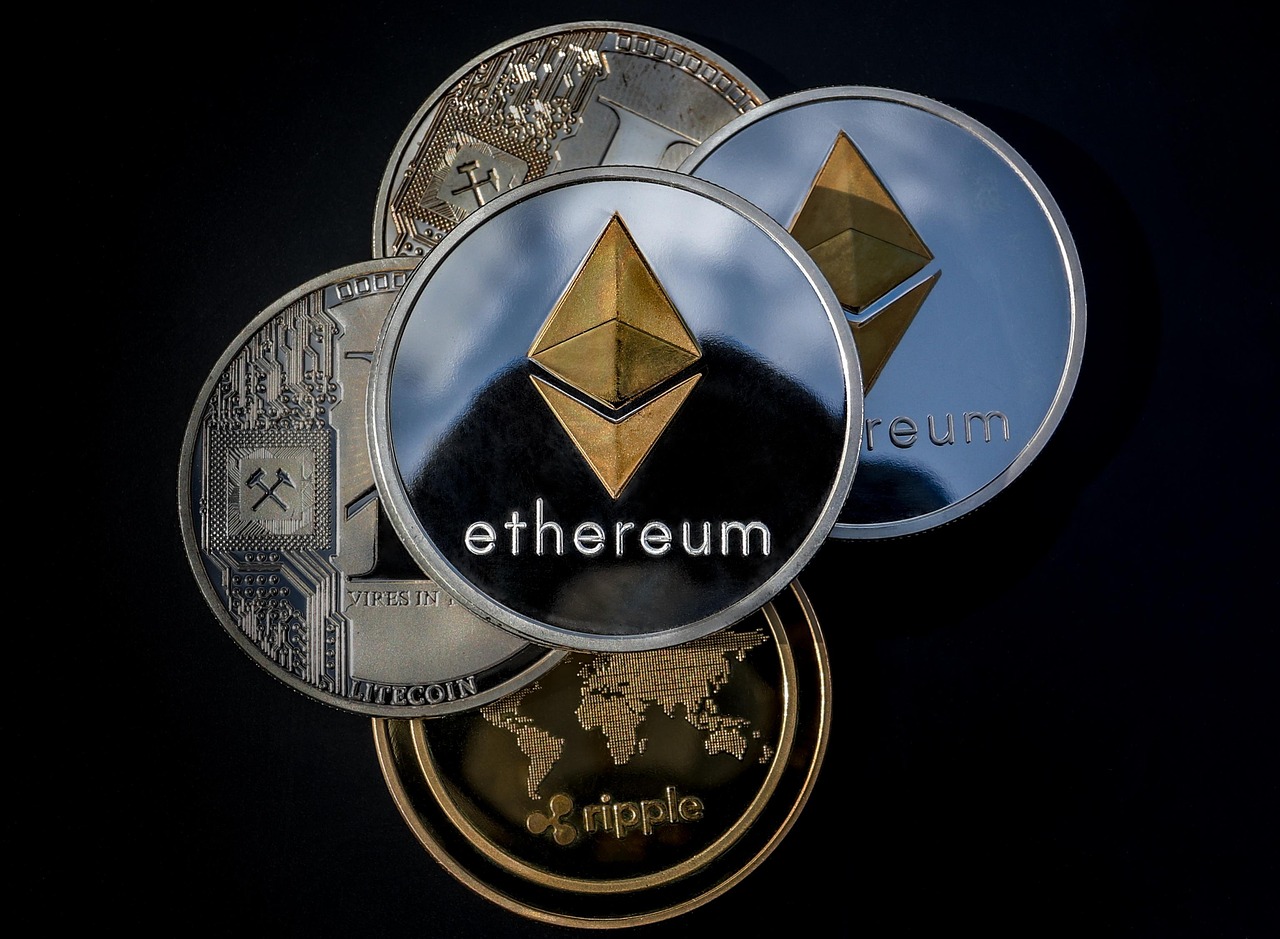
Ella Green reported on Tuesday, February 10, 2026 at 03:52 PM that long term crypto investment strategies must prioritize credible sources and proven methodologies to mitigate potential risks and enhance overall confidence.
Long term crypto investment necessitates a thorough evaluation of trust elements, as confidence in the integrity of digital assets is paramount. Risks can be effectively managed through comprehensive research, use of secure wallets, and adherence to established security protocols, which mitigate potential threats such as hacking and fraud. It’s crucial to recognize that making impulsive decisions or neglecting security measures can introduce significant vulnerabilities, underscoring the importance of a disciplined approach to investment, where withdrawal is warranted if trust in the asset or platform falters.
What Actually Matters
- Long-term crypto investments have historically experienced significant downturns, leading to substantial financial losses for many investors who did not adequately assess risks.
- Common user mistakes, such as failing to secure private keys or falling for phishing attacks, can result in irreversible loss of investment.
- Establishing clear safety boundaries, like diversifying assets and setting withdrawal limits, can mitigate potential stress from market volatility.
- Regulatory scrutiny in the crypto space has increased, meaning investors must stay informed about compliance requirements to avoid potential legal repercussions.
- Investors face concrete threats from cyberattacks, including exchange hacks and ransomware incidents, which can jeopardize the safety of their digital assets.
Navigating Risks in Cryptocurrency for Investors
Investing in cryptocurrencies for the long term has garnered significant attention among investors looking for new opportunities. However, this sector is not without its risks, and understanding the environment is crucial for making informed decisions. Adopting a conservative risk posture encourages a careful approach that safeguards your investments while maximizing potential gains. Strategies must prioritize credible sources.
Safety boundaries within cryptocurrency investments help minimize anxiety and create a clearer path for decision-making. It is essential to set personal parameters around acceptable losses and profits, ensuring that your investment remains within your comfort zone. Equally important is knowing when to exit an investment. Mitigate potential risks and enhance overall confidence.
Building trust in the cryptocurrency market relies on a few key considerations. These include assessing the fundamental technology behind each asset, examining the track record of the founding team, and evaluating community sentiment. Trust is also emphasized through credible exchanges and platforms where transactions occur, which should have a history of secure operations.
Understanding Risks in Cryptocurrency Investments
This sector is not without its risks.
Understanding the worst-case outcomes can help to reduce uncertainty. If an investment dramatically declines in value, the potential loss of your capital could be substantial. Additionally, market volatility may lead to significant psychological stress, particularly if you are unprepared for such movements. Understanding the environment is crucial for making informed decisions.
| Implementation hurdles | Value erosion scenarios | Capital-protection seekers | Hedged participation models |
|---|---|---|---|
| Limited regulatory framework complicates investments | Sudden market downturns may lead to significant losses | Unwilling to risk capital in volatile assets | Diversified portfolio reduces exposure |
| High volatility may deter long-term commitment | Technological failures can impact asset accessibility | Preference for stable investments | Options trading to mitigate sudden price drops |
| Lack of clear standards leads to inconsistencies | Security lapses can result in asset theft | Hesitation in trading due to scams | Use of stablecoins for risk mitigation |
| Insufficient data can result in poor decision-making | Market manipulation can distort true asset value | Aversion to unregulated markets | Long-short strategies to balance risk |
| Regulatory scrutiny may create barriers to entry | Environmental concerns impacting value perception | Reluctance to use platforms with compliance issues | Incorporation of ESG-focused assets as safeguards |
An honest overview of potential risks associated with long term crypto investments is necessary. The market remains highly speculative, and substantial fluctuations can occur within short periods. Security risks, including hacking incidents and fraudulent schemes, pose threats that can jeopardize investment values. Adopting a conservative risk posture encourages caution.
Investors should also consider user-related risks that can arise from common mistakes. For instance, losing access to a digital wallet can lead to irreversible losses. Mishandling private keys or falling victim to phishing attacks are scenarios that can put your assets at risk.
Building Confidence in Cryptocurrency Investments
Insights into long term investment challenges.
Long-term crypto investment is not suitable for individuals seeking immediate returns, as the nature of this market often leads to significant volatility and delayed profitability. If a user is unable to tolerate fluctuations or has pressing financial obligations requiring liquidity, exploring traditional investment vehicles or stable assets might be more appropriate. Furthermore, those who cannot commit to a thorough understanding of market dynamics and successful risk management may find themselves susceptible to losses stemming from emotional decision-making or timing miscalculations.
Acknowledging historical failures helps convey real consequences of negligence or poor decision-making in the crypto space. Various high-profile exchanges have collapsed, leading to massive customer losses. These events serve as cautionary tales and underline the importance of thorough due diligence before committing funds.
| Cash flow sensitivity | Confidence erosion risk | Skill dependency level | Best-fit user profiles | |
|---|---|---|---|---|
| High initial cost of entry in crypto markets | Market sentiment swings can create buyer anxiety | Requires basic understanding of blockchain | Individuals with a long-term financial horizon | |
| Transaction fees impact overall returns | Regulatory news can unearth sudden distrust | Investment knowledge varies significantly | Tech-savvy investors looking for growth | |
| Fluctuating market prices affect liquidity | Security breaches can undermine trust | Continuous learning needed for market changes | Risk-tolerant individuals seeking alternative assets | |
| Tax implications confuse cash flow management | Negative coverage can diminish investor confidence | Advanced trading strategies may be necessary | Financial advisors managing pooled investments | |
| Unexpected costs from unforeseen events | Historical loss events can deter new investments | Requires access to extensive real-time resources | Participants motivated by long-term financial goals |
As a potential investor, it’s vital to identify any signals indicating whether you might want to reconsider involvement in this space. If your financial situation cannot accommodate the inherent risks of cryptocurrency investment, or if you find the complexities of blockchain technology overwhelming, it might be wise to refrain from proceeding.
To mitigate risks, recognize that due diligence and ongoing education are fundamental to maintaining safety while investing. Employing strategies such as diversification, consistent monitoring of market trends, and adherence to crafted safety boundaries encapsulates a more secure approach. Conducting thorough research on potential investments and integrating risk management techniques will help you navigate the crypto landscape more effectively.
Staying informed about legitimacy indicators, such as active development projects, community engagement, and endorsements from credible figures in the finance sector, can further guide investment choices. These markers assist in identifying promising opportunities while filtering out unreliable options.
In conclusion, long term crypto investments can present exciting prospects when approached with caution. By defining personal safety boundaries, clarifying conditions for withdrawal, and maintaining awareness of both daily fluctuations and worst-case scenarios, you can navigate this complex market with greater assurance. Ultimately, fostering a clear understanding of potential risks, combined with proactive strategies, facilitates a more grounded investment experience in the cryptocurrency domain.
Credibility and Risk Questions
What constitutes a long-term digital currency investment?
A long-term digital currency investment involves purchasing cryptocurrencies with the intention of holding them for an extended period, usually years, to benefit from potential price appreciation. This approach requires careful consideration of market volatility and the inherent technological risks associated with blockchain and digital assets.
How can I determine the right time to sell my crypto assets?
Deciding when to sell digital assets can depend on personal financial goals, market conditions, and broader economic factors. Investors should carefully evaluate performance indicators and consider established price targets or thresholds influenced by historical market behavior, keeping in mind that market sentiment can change abruptly. However, this introduces tradeoffs that must be evaluated based on cost, complexity, or network conditions.
What are the major risks of investing in cryptocurrencies for an extended period?
Key risks include market volatility, regulatory changes, and security vulnerabilities, such as hacking incidents that have affected platforms in the past. Such factors could lead to significant financial losses, emphasizing the necessity for robust risk management strategies, including diversifying one's portfolio and utilizing secure storage solutions. However, this introduces tradeoffs that must be evaluated based on cost, complexity, or network conditions.
 E
E
 E
E
A Comprehensive Analysis of the Best Crypto Forecast
 E
E
Understanding the Impact of Big Crypto Companies on the Market
 E
E
Discovering New Crypto Projects for Targeted Investment Strategies
 E
E
Exploring the Landscape of Crypto Games That Pay
 E
E
Understanding the Dynamics of the Altcoin Market Crash
 E
E
Understanding the Risks of a Blockchain Market Crash
 E
E
Understanding the Mew Meme Coin and Its Relevance Today
 E
E