Ella Green provides insights on determining the value of coins in her article published on Wednesday, January 21, 2026 at 08:41 PM.
Determining whether a coin is worth money involves several key factors that can influence its value. Collectors, investors, and enthusiasts often seek to understand the nuances of coin appraisal, relying on a mix of historical significance, condition, rarity, and market demand. This article provides a definitive resource for identifying potentially valuable coins, focusing on evidence-based practices for assessment.
One of the primary indicators of a coin’s worth is its condition, often assessed using the Sheldon Scale which categorizes coins from “Poor” to “Mint State.” Coins that are well-preserved and have minimal wear typically command higher prices in the market. For example, according to industry audits, uncirculated coins can be worth significantly more than their face value—sometimes up to 20 times or more, depending on rarity and demand.
Another crucial factor is the coin’s rarity. This attribute is influenced by several elements, such as minting numbers, historical significance, and desirability among collectors. Coins from limited mintage runs or those with unique errors can be particularly valuable. For instance, the 1909-S V.D.B. Lincoln penny is highly sought after due to its limited release, making it a prime example of how rarity drives value. The nuances of coin appraisal
Market demand plays a significant role as well. Trends in collector preferences can fluctuate, impacting the value of different types of coins over time. Coins that are in high demand for investment or collection purposes will see their prices rise accordingly. Engaging with current trends through research in numismatic publications can provide insight into which coins might yield higher returns in the future.
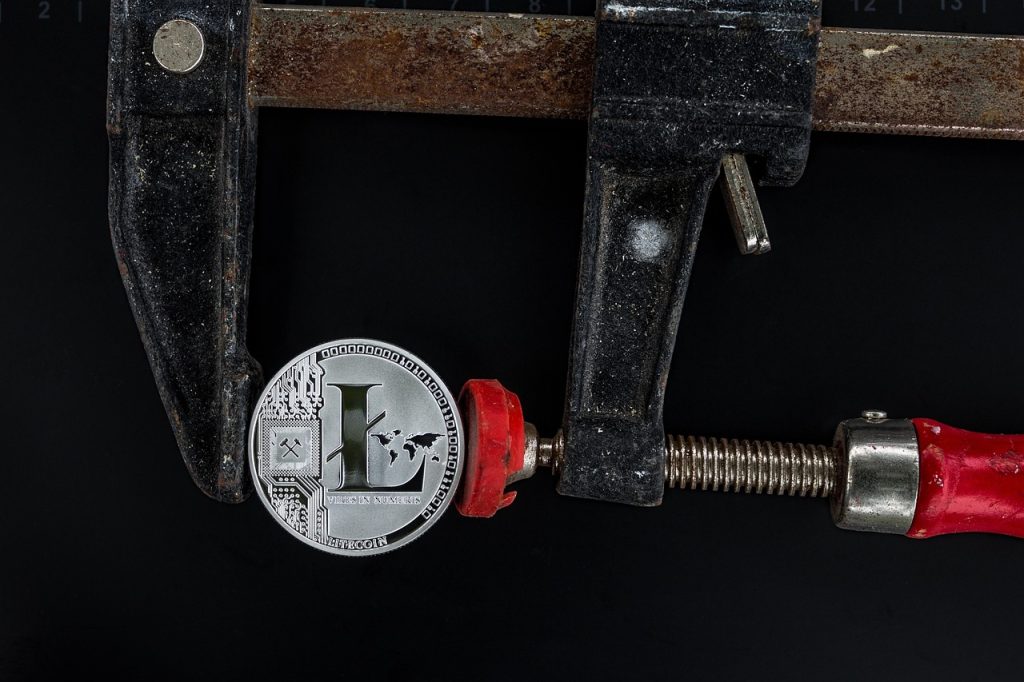
This image illustrates various examples of rare coins that could be worth a significant amount.
The tradeoff of assessing coin value lies in the understanding that not all coins are inherently valuable. Coins that are commonly circulated, such as modern pennies or nickels, typically do not possess significant monetary worth. Additionally, unless a user has access to professional grading services, they might face challenges accurately determining a coin’s market value. An alternative option may be to consult an experienced numismatist or utilize digital coin value guides. Reliance solely on online valuations can lead to discrepancies due to market fluctuations. One of the primary indicators of a coins worth

1. Identify the coin’s condition using the Sheldon Scale.
2. Research the coin’s rarity, paying attention to minting numbers and historical significance.
3. Evaluate current market demand by consulting numismatic research and trends.
4. Compare the coin against sales records from reputable sources to assess its potential market value.
5. Consider professional grading if the coin appears to be of significant worth.
| Factor | Description | Impact on Value |
|———————|————————————————|————————–|
| Condition | Quality assessed from Poor to Mint State | Higher condition equals higher value |
| Rarity | Limited mintage or historical significance | Greater rarity leads to increased worth |
| Market Demand | Current trends influencing collector interest | Fluctuates prices based on popularity |
Safety boundaries in determining coin value are essential for protecting oneself from overpaying or misjudging worth. It is advisable to approach novice selling, such as garage sales or online auctions, with caution. Often, inexperienced sellers may not fully recognize the value of their coins, resulting in either lost potential revenue for them or investment risks for buyers. Evidencebased practices for assessment
Experts indicate that the best way to validate a coin’s worth is through multiple reputable sources. For example, the American Numismatic Association provides standard practices and education for assessing coin value, ensuring a more informed outlook. Engaging with community forums or attending local coin shows can also enhance one’s knowledge and validate market trends.
In practice, coins typically classified as “junk silver” can be a safe investment, as their value is primarily based on the intrinsic value of the metal rather than collector demand. It is important to stay updated on market conditions and economic factors that may influence silver and gold prices.
This visual represents a typical chart of coin valuation methods used by enthusiasts and professionals alike.
In summary, determining if a coin is worth money requires diligence in research, a solid understanding of market dynamics, and awareness of emotional and cognitive biases that might cloud judgment. Utilizing multi-source validation methods enhances accuracy and fosters a more credible assessment of coin value, ensuring that investors and collectors can make well-informed decisions in their pursuits.
Key Takeaways
- Examine the coin's condition, as factors like wear and tear can significantly influence its market value.
- Research the specific coin's rarity and demand, as this can greatly affect its worth within numismatic circles.
- Check for any unique features or historical significance, such as minting errors, which can enhance a coin's value beyond its face value.
What characteristics define a valuable coin?
A coin's value is typically determined by its rarity, condition, historical significance, and demand among collectors. Coins that are made of precious metals like gold or silver also tend to hold intrinsic value, but wear and tear can significantly decrease their worth. However, this introduces tradeoffs that must be evaluated based on cost, complexity, or network conditions.
How can I assess the potential value of coins I find?
You can research current market prices for similar coins, consult price guides, or utilize online auction platforms to gauge interest. However, unless you have experience in numismatics, it might be wise to seek professional appraisal, as misjudging a coin's condition can lead to undervaluation.
How do collectible coins compare to bullion coins in terms of value?
Collectible coins often derive their value from rarity and historical interest, whereas bullion coins are valued primarily for their metal content. A collectible coin might be worth significantly more than its metal value, while bullion coins tend to fluctuate with market prices of metals.
 E
E
 E
E
Understanding Old Currency Value and Its Significance
 E
E
Understanding Rare Coins in US Currency
 E
E
Understanding how much a one dollar coin is worth
 E
E
How to tell if a coin is worth money
 E
E
Understanding the Dynamics of the Altcoin Market Crash
 E
E
Understanding the Risks of a Blockchain Market Crash
 E
E
Understanding the Mew Meme Coin and Its Relevance Today
 E
E