Understanding the Dynamics of the Altcoin Market Crash
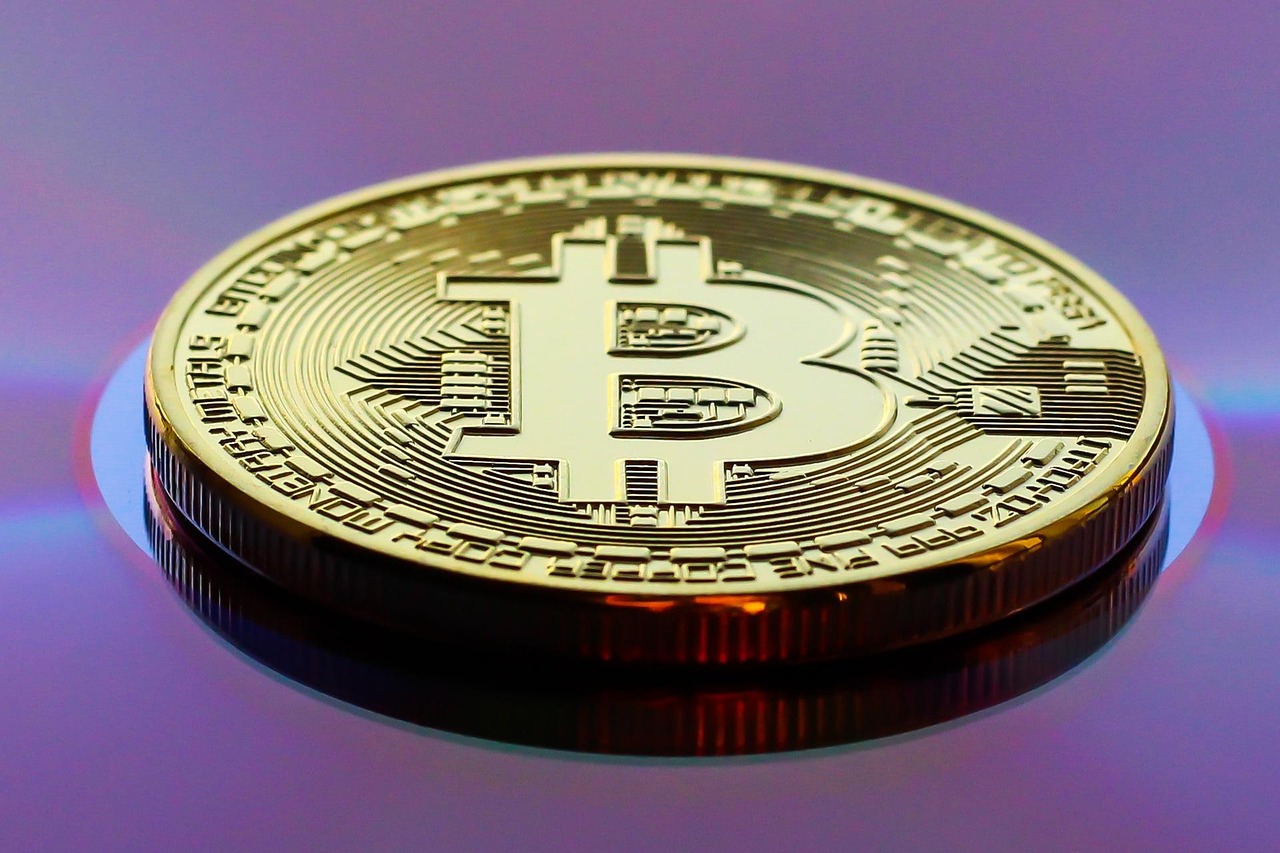
Ella Green reports on the ongoing implications of the altcoin market crash as of Monday, February 16, 2026 at 01:54 PM.
An altcoin market crash reflects a significant decline in the value of alternative cryptocurrencies, often triggered by broader market volatility, regulatory changes, or loss of investor confidence. During such downturns, investors typically evaluate which altcoins align with their risk tolerance and investment goals, while assessing the resilience and potential for recovery of various options. Understanding the risk profiles of different altcoins can help users make informed decisions about holding, selling, or diversifying their portfolios in response to market conditions.
What’s Important to Know
- The altcoin market crash typically prompts investors to reassess their portfolios, often leading them to prioritize established cryptocurrencies that exhibit greater stability.
- Users who are more risk-averse tend to shift their focus towards well-known cryptocurrencies as a safe haven during market downturns, while others may seek out promising altcoins at lower entry points.
- Differences in project fundamentals, technology, and market sentiment among various altcoins can significantly influence investment outcomes during a crash.
- In a market crash scenario, heightened volatility tends to be a critical driver of decision-making, as investors weigh potential gains against perceived risks.
- Investors often narrow their choices based on news, regulatory changes, and market analysis, which can further impact the survival and recovery of specific altcoins post-crash.
Evaluating Strengths Amid Market Volatility
The landscape of cryptocurrency has evolved considerably over the years, particularly with the rise of altcoins. While the major cryptocurrencies like Bitcoin and Ethereum often dominate headlines, the altcoin market presents various options that attract both investors and speculators. However, these alternatives are not immune to market volatility, as evidenced by the occurrences of significant downturns, commonly referred to as altcoin market crashes. The ongoing implications of recent market events.
The altcoin market can be segmented into several meaningful categories. These include utility tokens, which serve specific purposes within their respective ecosystems, and security tokens, which represent ownership stakes or other financial rights. There are also governance tokens that allow holders to participate in decision-making processes regarding a project’s future. The landscape of cryptocurrency investments today.
As one explores these various categories, it becomes clear that users often narrow their choices based on several criteria. Factors such as roadmap development, community engagement, technological innovation, and market liquidity frequently guide investment decisions. These attributes reflect an altcoin’s potential resilience in the face of a downturn, allowing investors to weigh long-term vision against short-term risks.
Navigating Strengths and Weaknesses in Altcoin Dynamics
How major cryptocurrencies influence alternative options?
When evaluating different altcoins, it is crucial to highlight recurring strengths across these options. Many successful altcoins exhibit strong community support and active development teams that consistently push for innovation. Furthermore, they often possess unique selling propositions that address specific market needs, thus fostering a loyal user base. Notable examples of downturns in nonmajor cryptocurrencies.
| Credibility constraints | Loss exposure pathways | Conservative use cases | Risk-reduction approaches |
|---|---|---|---|
| Limited historical data on altcoin volatility | Price manipulation by major holders | Novice investors without strong risk tolerance | Diversifying across multiple altcoins |
| Regulatory uncertainty affecting stability | Margin calls leading to forced selling | Short-term investors seeking quick gains | Setting strict stop-loss limits |
| Lack of reliable information sources | Potential exchange failures impacting liquidity | Long-term investors with low engagement | Using reputable exchanges with insurance |
| High transaction costs during market stress | Sudden drops in prices leading to losses | Traders without analytical tools | Employing automatic trading algorithms |
| Susceptibility to social media influence | Continuous negative news cycles | Investors lacking access to real-time data | Monitoring sentiment analysis tools |
Conversely, some weaknesses can lead to an altcoin’s decline during turbulent periods. Inadequate development funding, lack of user engagement, or unclear utility can all contribute to poor performance. Furthermore, projects that fail to differentiate themselves in a saturated market may struggle to maintain relevance. Various categories within the altcoin ecosystem.
Design differences among various altcoins play a significant role in shaping outcomes during market fluctuations. For instance, an altcoin that emphasizes decentralization may prioritize community governance but could lack the speed and efficiency required for mass adoption. In contrast, a project that focuses on enhancing transaction speed may sacrifice certain aspects of decentralization, which could create vulnerabilities in trust.
Key Considerations in Altcoin Selection
Factors driving investor decisions during market fluctuations.
An altcoin market crash is detrimental for investors seeking stability or long-term growth since it typically leads to significant losses and market volatility, making it challenging to identify reliable assets. Individuals prioritizing a secure investment environment or those with a low-risk tolerance should consider more traditional or stable alternatives, particularly during periods of heightened uncertainty. Additionally, it is important to note that reliance on poorly performing coins may be detrimental; such assets often lack liquidity and could hinder future recovery efforts. Investors must also account for the disconnect between speculative buying patterns and fundamental value, which can exacerbate losses in an already declining market.
Risk profiles also vary across different altcoins, making it imperative for investors to conduct thorough evaluations. A highly speculative token may present opportunities for substantial gains but equally carries the risk of dramatic losses. By contrast, more established altcoins with proven track records may offer relative safety, although their growth potential might be lower.
| Ongoing resource drain | Breakage conditions | Operational attention required | Situations where this breaks down |
|---|---|---|---|
| Frequent monitoring of altcoin prices | Unexpected regulatory changes | In-depth research on market trends | High volatility during market crashes |
| Continuous management of portfolio allocations | High levels of market manipulation | Regular technical analysis required | Low trading volume causing price distortions |
| Persistent engagement with news and updates | Mass panic selling due to market sentiment | Need to track social media for trends | Lack of liquidity in specific altcoins |
| Time invested in risk assessment | Technical failures in exchanges | Ongoing education on emerging technologies | Ignoring fundamental factors driving value |
| Incurred fees from frequent trading | Security breaches leading to asset loss | Need for updated strategies as markets shift | Overreliance on automated trading systems |
As users engage with the altcoin market, they often signal their fit with specific options based on factors like familiarity with the technology, the intended use case, and previous investment experiences. Those who are well-versed in blockchain technology may gravitate toward complex projects with advanced functionalities, while newcomers might opt for simpler, more traditional utility tokens. By identifying which user profiles align best with particular altcoins, one can better navigate the investment landscape and make choices that resonate with personal objectives.
Market signals play a critical role in indicating which altcoins might possess long-term viability. Factors such as software upgrades, partnerships, and participation in industry events can be seen as adoption signals that suggest a project is gaining traction. Investors should pay attention to these indicators as they can often predict resilience during market crashes or even lead to rapid recoveries post-downturn.
In conclusion, understanding the dynamics of the altcoin market, especially during tumultuous periods, equips investors with the knowledge necessary to navigate challenges effectively. By grouping options into meaningful categories, identifying common strengths and weaknesses, and recognizing how specific design choices influence outcomes, users can approach the volatile landscape with increased confidence. A well-informed investment strategy will ultimately allow participants to make educated comparisons, ensuring they are prepared for whatever fluctuations may come with the next market cycle.
Important Questions to Consider
What does a significant decline in the altcoin market usually signify for investors?
A substantial drop in the altcoin market often indicates a loss of confidence among investors, which can stem from regulatory developments or market volatility. This situation can lead to widespread panic selling, which may erode long-term value for many cryptocurrencies and reduce market liquidity. However, this introduces tradeoffs that must be evaluated based on cost, complexity, or network conditions.
How can alternative cryptocurrencies be useful during periods of mainstream market downturns?
Alternative cryptocurrencies might provide diversification opportunities for investors looking to mitigate losses in traditional markets. However, their effectiveness can be influenced by overall market sentiment; even altcoins can suffer large declines that correlate with a bearish atmosphere in major cryptocurrencies.
What are the main risks associated with investing in lesser-known digital currencies?
Investing in lesser-known digital currencies carries the risk of lower liquidity and potential for abrupt price changes, which can lead to significant losses. Additionally, many altcoins lack strong fundamentals or robust technological backing, which can hamper their long-term sustainability and appeal. However, this introduces tradeoffs that must be evaluated based on cost, complexity, or network conditions.
 E
E
 E
E
Understanding the Dynamics of the Altcoin Market Crash
E
Understanding the Dynamics of the Altcoin Market Crash
 E
E
Understanding the Risks of a Blockchain Market Crash
 E
E
Understanding the Mew Meme Coin and Its Relevance Today
 E
E