Ella Green explores the essential steps for beginners looking to enter the world of bitcoin in her article published on Thursday, January 22, 2026 at 03:12 AM.
Getting started with Bitcoin involves understanding the fundamental concepts and infrastructure that support this cryptocurrency. Bitcoin is a decentralized digital currency that enables peer-to-peer transactions without the need for intermediaries, such as banks. It operates on blockchain technology, a distributed ledger that records all transactions in a secure and transparent manner.
To embark on your Bitcoin journey, it is essential to familiarize yourself with the various components within the ecosystem. The first step involves acquiring Bitcoin through exchanges, mining, or peer-to-peer trading. This process often includes creating a digital wallet, which acts as your storage solution for your Bitcoin holdings, ensuring their security and accessibility.
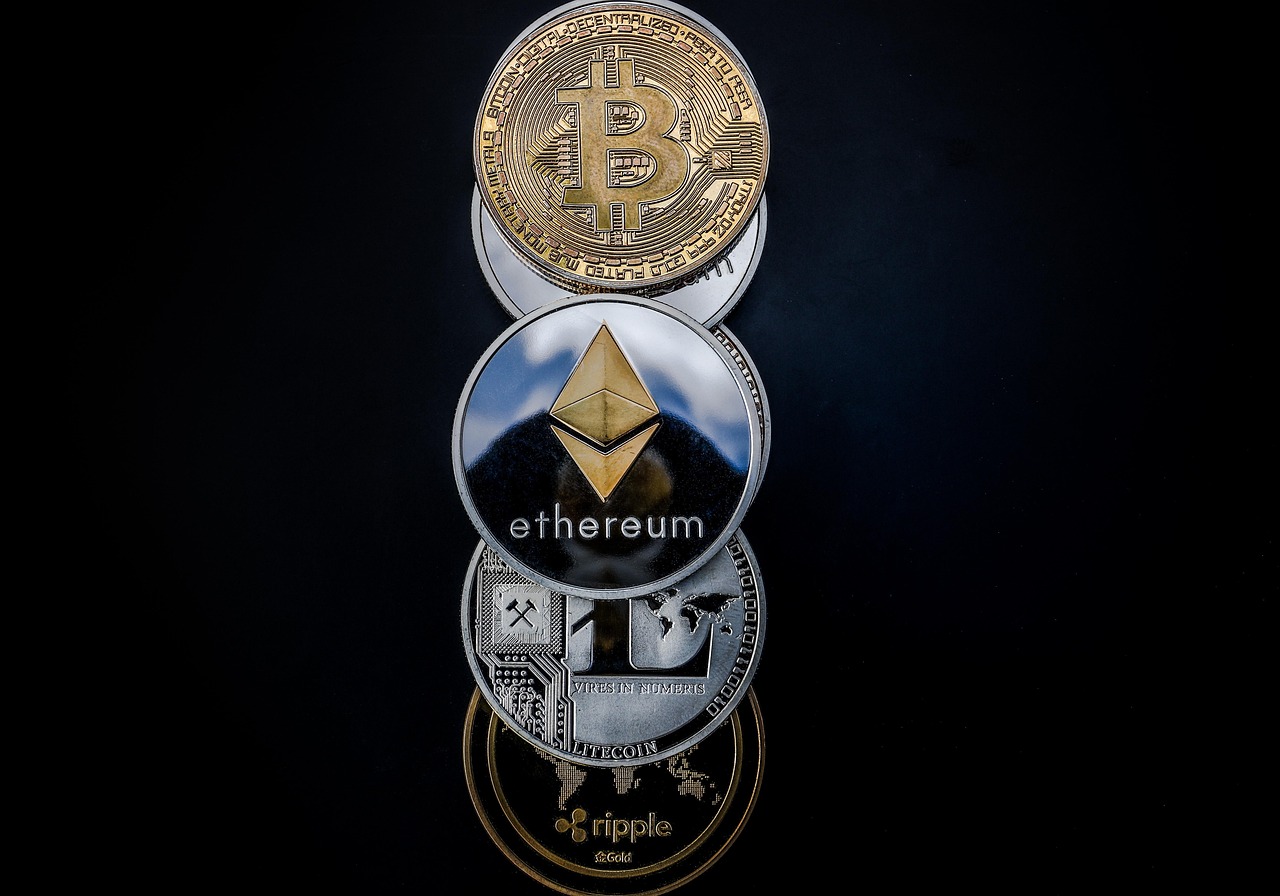
This image illustrates the concept of Bitcoin transactions and blockchain technology. Essential steps for beginners
Once you have acquired Bitcoin, you may choose to hold it as a long-term investment or trade it for short-term gains. Deciding on a strategy should involve understanding market trends, price volatility, and the overall economic environment surrounding Bitcoin. Additionally, it is crucial to stay informed about regulatory developments, as they can significantly impact the market.
This graphic is a conceptual representation of the various ways to acquire Bitcoin.
When starting with Bitcoin, users should consider the potential downsides. Bitcoin is not an ideal choice for those seeking guaranteed returns or stable investments. Instead, users with a more intuitive understanding of technology and markets may find it better suited. Furthermore, individuals or institutions looking for instant liquidity may prefer traditional assets, as Bitcoin experiences higher volatility, which can lead to significant potential losses. Lastly, the risk of hacking and the necessity of securing private keys are considerations that detract from its appeal for less experienced users. Familiarize yourself with the various components

To successfully navigate the world of Bitcoin, it is beneficial to follow a structured approach:
1. Research and understand Bitcoin basics.
2. Choose a reputable cryptocurrency exchange.
3. Create a secure digital wallet.
4. Acquire Bitcoin through your chosen method.
5. Monitor the market and your investments.
6. Educate yourself on security practices.
7. Join forums or groups to stay informed.
The table below outlines key components, their functions, and examples related to getting started with Bitcoin: First step involves acquiring Bitcoin through exchanges

| Component | Function | Examples |
|———————-|—————————————-|——————————-|
| Digital Wallet | Secure storage for your Bitcoin | Hardware wallets, mobile wallets |
| Cryptocurrency Exchange | Platform to buy/sell Bitcoin | Coinbase, Binance |
| Blockchain | Fundamental technology behind Bitcoin | Bitcoin blockchain |
| Peer-to-Peer Trading | Direct transactions without intermediaries | LocalBitcoins, Paxful |
| Mining | Process of validating transactions and earning Bitcoin | Mining pools, solo mining |
The rise of Bitcoin has also spurred developments in regulatory frameworks. According to industry audits, Bitcoin accounted for about 42% of the total cryptocurrency market capitalization in late 2022. Furthermore, as per standards bodies, global Bitcoin adoption rates have grown considerably, with estimates suggesting that more than 300 million people owned Bitcoin as of 2023.
In production systems, users must understand that Bitcoin’s infrastructure is still evolving. As the market matures, options like custodial services are gaining popularity among institutional investors. It is crucial to continually enhance your knowledge base to navigate this dynamic environment successfully.
In conclusion, getting started with Bitcoin involves a comprehensive understanding of its ecosystem and commitment to ongoing education. With the right approach, you can effectively engage with Bitcoin and explore the potential benefits and risks it offers.
How can someone use Bitcoin in everyday transactions?
To use Bitcoin for transactions, a user needs to set up a digital wallet and purchase Bitcoin from an exchange or peer-to-peer marketplace. Many merchants accept Bitcoin, but the acceptance rate varies, and users may face transaction fees and processing times that differ from traditional payment methods. Additionally, not all businesses offer the same safeguards against fraud or chargebacks. However, this introduces tradeoffs that must be evaluated based on cost, complexity, or network conditions.
What risks should I consider before getting involved with Bitcoin?
Key risks include market volatility, regulatory changes, and the potential for security breaches. If a user loses their private keys, they can lose access to their Bitcoin permanently, as recovery options are limited. Moreover, regulatory scrutiny can affect how Bitcoin is used or traded in different jurisdictions, adding an element of uncertainty. However, this introduces tradeoffs that must be evaluated based on cost, complexity, or network conditions.
What factors should be considered when deciding to invest in Bitcoin?
Potential investors should assess their risk tolerance, investment goals, and the current market conditions. It's essential to understand how the technology works and the implications of market volatility, as well as the liquidity of Bitcoin compared to other investment options. Additionally, considering the long-term regulatory outlook in your region is crucial for making informed decisions. However, this introduces tradeoffs that must be evaluated based on cost, complexity, or network conditions.
 E
E
 E
E
Exploring Free Bitcoin Code Options for Traders and Investors
 E
E
How to get started with bitcoin
 E
E
Buy Bitcoin No Verification: Understanding the Concept
 E
E
Understanding the Risks of an Altcoin Market Crash
 E
E
Understanding the Dynamics of the Altcoin Market Crash
 E
E
Understanding the Risks of a Blockchain Market Crash
 E
E